

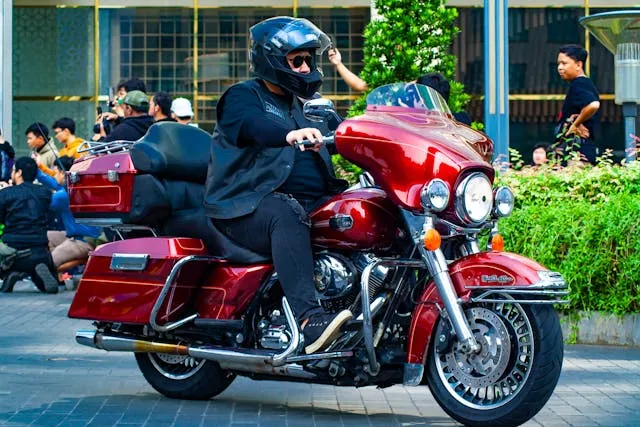
Few brands in the world of motorcycles carry the weight of history, culture, and engineering prestige quite like Harley-Davidson. For over a century, Harley-Davidson has been more than just a manufacturer of motorcycles—it has been a symbol of freedom, individuality, and the American spirit. Understanding the Harley-Davidson legacy offers insights not only into its engineering excellence but also into the cultural impact it has had on generations of riders and enthusiasts. For anyone exploring the world of motorcycles, diving into this legacy provides both inspiration and appreciation for the artistry, innovation, and community that Harley-Davidson represents. Those looking to delve deeper into the rich history and ongoing influence of these motorcycles can explore resources like Harley-Davidson legacy for more detailed information.
Also Read: How to Tell if Your Furnace is Leaking Carbon Monoxide?
Origins and Early Innovation
The Harley-Davidson story begins in 1903, in a modest shed in Milwaukee, Wisconsin, where William S. Harley and Arthur Davidson built their first motorcycle prototype. At the time, motorcycles were a novel invention, with most designs lacking durability, power, or reliability. Harley-Davidson quickly distinguished itself by focusing on quality engineering and performance. Their early models were designed not just for transportation but for endurance, capable of handling the rough roads and challenging conditions of early 20th-century America.
By 1914, Harley-Davidson had grown from a small workshop into a significant manufacturer, producing over 15,000 motorcycles a year. This rapid growth was fueled by their commitment to innovation, including the development of V-twin engines, which became a signature feature of Harley motorcycles. These engines were more than a mechanical advancement—they became a defining auditory and visual identity, creating the unmistakable rumble that is instantly recognized by enthusiasts worldwide.
Cultural Impact and the Rise of the American Motorcycle
While Harley-Davidson motorcycles were engineered for performance, their influence extended far beyond mechanics. During World War I and World War II, Harley-Davidson supplied motorcycles to the U.S. military, cementing its role as a symbol of resilience and reliability. Soldiers who experienced these motorcycles firsthand often returned home as lifelong fans, helping to cultivate a post-war motorcycle culture in the United States.
The 1950s and 1960s marked a pivotal moment for Harley-Davidson’s cultural impact. Movies like The Wild One and the rise of biker gangs painted a rebellious image of motorcycling that, for better or worse, became synonymous with Harley-Davidson. Despite controversies, this period helped solidify the brand’s association with freedom, nonconformity, and adventure. Harley-Davidson motorcycles were no longer merely vehicles—they were expressions of identity.
This cultural resonance was further strengthened through Harley-Davidson owners’ clubs and motorcycle rallies. Events like Sturgis and Daytona Beach became legendary gatherings where enthusiasts could celebrate not just motorcycles but a shared lifestyle. These gatherings reinforced the community aspect of Harley-Davidson ownership, transforming it into a social phenomenon that extended well beyond the mechanical marvels themselves.
Engineering Excellence and Iconic Models
The Harley-Davidson legacy is inseparable from its engineering achievements. The evolution of its motorcycle lineup reflects both technological innovation and aesthetic continuity. Models like the Sportster, introduced in 1957, combined lightweight agility with powerful engines, appealing to both new riders and experienced motorcyclists. Meanwhile, the Electra Glide, launched in 1965, showcased Harley’s ability to engineer comfort, long-distance reliability, and touring capability—features that defined the modern cruiser category.
Harley-Davidson has consistently balanced tradition with innovation. While the company honors classic designs that maintain its distinctive silhouette and engine sound, it has also embraced technological advancements. For example, modern Harley-Davidson motorcycles incorporate fuel injection, advanced suspension systems, and electronic rider aids without compromising the iconic riding experience. This careful integration of modern technology with classic design elements has helped the brand remain relevant across generations.
Customization has also played a central role in Harley-Davidson’s enduring appeal. The brand’s motorcycles are often viewed as canvases for personal expression, allowing riders to modify their machines with custom paint, exhausts, handlebars, and more. This culture of personalization reinforces the idea that a Harley-Davidson motorcycle is more than transportation—it is a personal statement, reflecting the identity and style of its owner.
Global Expansion and Enduring Influence
While Harley-Davidson began as a quintessentially American brand, its influence has grown worldwide. By the late 20th century, Harley-Davidson motorcycles were exported to Europe, Asia, and Australia, capturing the imagination of international riders. The brand’s expansion was driven by a combination of heritage marketing, international dealerships, and the universal appeal of the freedom associated with motorcycling.
In addition to international reach, Harley-Davidson has impacted industries beyond motorcycles. Its brand identity has inspired clothing lines, lifestyle products, and digital media that celebrate the biker ethos. The company’s story serves as a case study in building a global brand rooted in authenticity and tradition. Moreover, Harley-Davidson has invested in sustainability initiatives and electric motorcycles, such as the LiveWire, signaling a commitment to evolving with the times while preserving its heritage.
Community, Culture, and the Future
One of the most compelling aspects of the Harley-Davidson legacy is its enduring community. Motorcycle owners and enthusiasts often describe their relationship with the brand as a lifestyle rather than a hobby. Harley-Davidson dealerships frequently host community events, charity rides, and workshops, fostering a sense of belonging among riders. This cultural ecosystem strengthens brand loyalty and ensures that Harley-Davidson’s influence extends far beyond the showroom floor.
Looking to the future, Harley-Davidson faces the challenge of engaging a younger, more diverse audience while maintaining its classic appeal. Initiatives aimed at electric motorcycles, safety, and global outreach are part of this strategy. These efforts reflect an understanding that heritage alone is not enough—sustainable innovation is essential to preserving the Harley-Davidson legacy for future generations.
Conclusion
Exploring the legacy of Harley-Davidson motorcycles reveals a brand that has consistently balanced engineering excellence, cultural influence, and community engagement. From its early days in a small Milwaukee workshop to its status as a global icon, Harley-Davidson has shaped the way the world perceives motorcycling. Its motorcycles are symbols of freedom, individuality, and resilience—qualities that continue to resonate with riders today.