

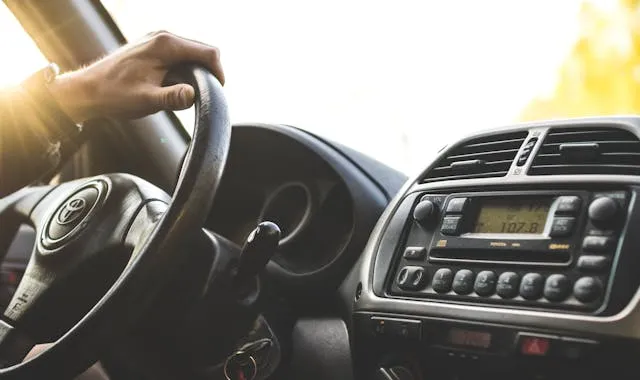
One of the first choices new drivers have to make is whether to take lessons in manual or automatic cars. You can become a confident and safe driver in either direction. The best option for you will rely on your goals, level of comfort, and long-term plans for driving. Being aware of the differences will help you choose the best way to learn.
Also Read: Why You Need a Reliable Emergency Plumber in Luxembourg
Understanding Manual Driving Lessons
Manual driving lessons teach you how to operate a vehicle with a clutch and gear stick. This type of training focuses heavily on coordination, timing, and vehicle control. You learn how to change gears smoothly, manage clutch control on hills, and respond to different road conditions with precision.
One of the biggest advantages of learning manual is the deeper understanding of how a car works. Many drivers feel more connected to the vehicle, which can improve overall driving awareness. Manual licenses also allow you to drive both manual and automatic cars, offering more flexibility in the future.
However, manual lessons can feel challenging at first. Learners often need more time to master clutch control, especially in heavy traffic or during hill starts. This can make early lessons feel demanding, but with practice, most students adapt well.
What Automatic Driving Lessons Offer
Automatic driving lessons remove the need to worry about gears and clutch control. The car handles gear changes for you, allowing learners to focus on steering, braking, road rules, and hazard awareness. For many students, this makes learning less stressful and more enjoyable.
Automatic lessons are particularly appealing for those who feel anxious about driving or want to learn quickly. With fewer controls to manage, learners often build confidence faster and may feel more relaxed during lessons and tests.
The main limitation is licensing. An automatic-only license restricts you to driving automatic vehicles. While automatics are becoming more common, this restriction may limit your options if you ever need to drive a manual car for work or travel.
Comparing Learning Time and Difficulty
Manual driving lessons generally take longer because learners must develop additional skills. Gear changes, clutch control, and engine management all require practice. Automatic lessons, on the other hand, are often quicker to pick up, which can reduce the number of lessons needed.
That said, learning speed varies from person to person. Some learners enjoy the challenge of manual driving and progress quickly, while others prefer the simplicity of automatics. The best choice depends on how comfortable you feel managing multiple tasks at once.
Cost Considerations and Long-Term Value
Manual lessons may sometimes be slightly cheaper per session, but the total cost can be higher if more lessons are required. Automatic lessons may cost more individually, but fewer sessions can balance out the overall expense.
Long-term value is also worth considering. Manual skills can be useful if you plan to drive different types of vehicles or travel to areas where manual cars are common. Automatics offer convenience and ease, especially for city driving and daily commuting.
Choosing What Fits Your Lifestyle
Your daily driving environment plays a role in this decision. City traffic, frequent stops, and tight parking situations often suit automatic cars better. Many learners seeking driving lessons Sydney find automatics appealing due to busy roads and congestion.
If you enjoy learning technical skills and want maximum flexibility, manual lessons may be the better option. If comfort, ease, and confidence are your priorities, automatic lessons could be the right fit.
Final Thoughts
There is no universally correct choice between manual and automatic driving lessons. Both paths can lead to safe, confident driving when taught by a professional instructor. Consider your learning style, future driving needs, and comfort level before deciding. The best option is the one that helps you feel confident, capable, and ready for the road ahead.