

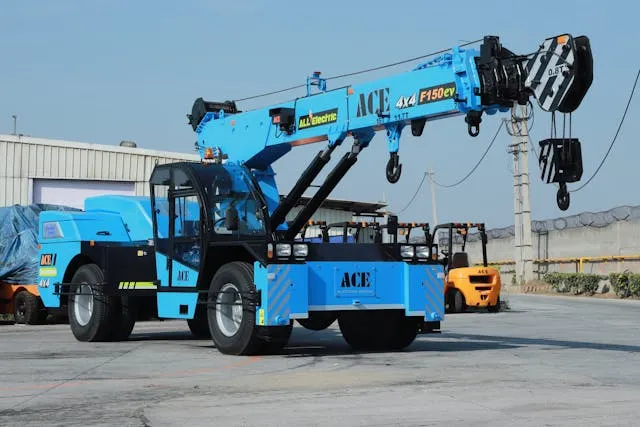
Project efficiency is one of the most critical factors in achieving successful outcomes in construction, manufacturing, and industrial operations. Completing tasks on time, within budget, and with minimal disruption requires proper planning and dependable resources. By offering the appropriate machinery, technical know-how, and continuous assistance, equipment providers play a critical role in promoting project efficiency. Using construction equipment rental services allows project managers to access specialized machinery only when needed, improving efficiency and keeping operating costs under control.
Also read: Key Benefits Of Choosing A Jaw Crusher For Rent On Heavy-Duty Jobs
Providing The Right Equipment For The Job
One of the main ways equipment suppliers improve efficiency is by ensuring access to suitable machinery. Every project has unique requirements based on size, scope, and working conditions. A professional supplier evaluates these needs and recommends the most appropriate equipment. Using the right machines prevents delays caused by underpowered tools or oversized equipment that wastes fuel and time.
Reducing Equipment Downtime
Downtime can be costly and disruptive. When machines break down, work stops, labor costs rise, and deadlines are missed. Reliable suppliers maintain their equipment properly and conduct regular inspections. Many also provide quick repair services or replacement units when problems occur. This fast response minimizes downtime and keeps projects moving smoothly.
Supporting Project Planning
Experienced suppliers understand how equipment availability affects schedules. They help project managers plan machine usage, ensuring equipment arrives when needed. Proper scheduling prevents bottlenecks and idle time on job sites. This organized approach improves workflow and prevents last-minute complications.
Offering Technical Expertise
Modern equipment often includes advanced features and digital controls. Equipment suppliers provide valuable technical guidance and training. This helps operators use machines correctly and efficiently. Skilled operation improves performance, reduces wear and tear, and enhances safety. Training also prevents accidents that could cause delays and costly investigations.
Flexible Rental And Purchase Options
Project demands change frequently. Equipment suppliers offer flexible rental and leasing options that allow businesses to adjust machinery use based on project stages. Short-term rentals are ideal for specific tasks, while long-term leasing suits ongoing operations. This flexibility ensures companies only pay for what they need, improving cost efficiency.
Streamlining Logistics And Delivery
Timely delivery is critical for maintaining project schedules. Professional suppliers manage transportation and logistics efficiently. They ensure equipment is delivered and collected according to agreed timelines. This reliability eliminates waiting periods and supports an uninterrupted workflow.
Enhancing Workplace Safety
Safety directly affects productivity. Accidents cause delays, legal issues, and morale problems. Equipment suppliers ensure machines meet safety regulations and include protective features. They also offer safety guidance and operational training. A safer work environment leads to fewer disruptions and more consistent progress.
Providing Accessories and Attachments
Suppliers often offer attachments and tools that allow one machine to perform multiple tasks. This versatility reduces the need for additional equipment. Using attachments improves efficiency by minimizing machine changes and transportation between tasks. It also lowers equipment rental or purchase costs.
Supporting Preventive Maintenance
Preventive maintenance plays a major role in avoiding unexpected failures. Reliable suppliers follow strict maintenance schedules and monitor equipment condition. Well-maintained machinery runs smoothly and lasts longer. This proactive approach supports continuous operation and improves productivity.
Adapting to Project Changes
Construction and industrial projects often evolve. Changes in scope or unexpected challenges may require different equipment. A dependable supplier can quickly provide alternative machines or upgrades. This adaptability ensures project progress continues without major disruptions.
Improving Cost Control
Efficient equipment usage reduces fuel consumption, labor hours, and repair expenses. Suppliers help choose machines that match project requirements, preventing unnecessary costs. Transparent pricing and clear rental terms help businesses manage budgets effectively.
Building Long-Term Partnerships
Strong relationships with equipment suppliers lead to better service and priority support. Over time, suppliers understand your project patterns and business needs. This familiarity improves response time and solution accuracy. Long-term partnerships increase efficiency and reduce operational stress.
Supporting Sustainability Goals
Modern suppliers offer fuel-efficient and low-emission equipment. Using eco-friendly machinery reduces environmental impact and supports regulatory compliance. Sustainable practices also improve company reputation and reduce long-term operating costs.
Conclusion
Through dependable machinery, knowledgeable advice, and prompt assistance, equipment suppliers are essential to increasing project productivity. From planning and logistics to maintenance and training, their involvement ensures smooth operations and cost control. By partnering with a dependable supplier, businesses can minimize downtime, enhance safety, and complete projects successfully. A strong supplier relationship becomes a strategic advantage that drives productivity and long-term success.