

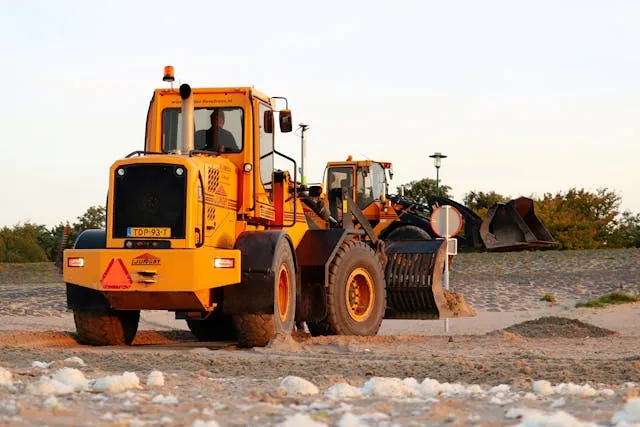
Choosing the right wheel loader for your fleet is a strategic decision that affects your productivity, operating costs, and long-term efficiency. With so many models, sizes, and features available, it can be challenging to know which machine will deliver the best value. A well-chosen wheel loader supports a wide range of tasks, including material handling, site preparation, roadwork, mining support, and agricultural operations. Taking a thoughtful approach ensures that the machine you select will perform reliably while aligning with your project demands and budget.
Also read: How Technology Is Transforming Flower Delivery Services?
Understand The Job Requirements
Before comparing wheel loader models, start by identifying the specific needs of your jobsite. Load capacity, breakout force, and the type of materials you handle all influence the kind of machine you require. A large model may offer more horsepower, but if your work involves navigating tight spaces or feeding smaller hoppers, a compact or mid-sized loader could be a better fit. Also consider how frequently the machine will be used. Daily heavy-duty cycles demand a wheel loader built for durability and higher operating hours, while occasional use might justify a more economical option. In addition to evaluating general performance factors, reviewing details such as the Volvo L90 loader specifications can help fleet managers compare power, capacity, and efficiency to ensure the machine aligns with their operational needs.
Match Bucket Size And Power To Your Workload
Bucket capacity plays a defining role in how efficiently a wheel loader performs. The ideal bucket size depends on the density of the material and the expected load volume. Pairing the right bucket with an appropriately powered machine ensures smooth operation without straining the engine or hydraulic system. High-horsepower models support bigger buckets, but they also consume more fuel. If your projects vary in scale, choosing a wheel loader with quick coupler compatibility allows operators to switch buckets and attachments as needed, making the machine far more versatile.
Evaluate Hydraulic Performance
Hydraulic strength impacts lifting speed, cycle time, and overall productivity. A wheel loader with a responsive hydraulic system can complete tasks quickly and smoothly, especially when handling repeated load and dump cycles. Look for machines that maintain strong hydraulic pressure even under demanding conditions. Features like load-sensing hydraulics or advanced flow control can improve efficiency by delivering power only when needed, reducing fuel consumption, and minimizing wear on system components.
Check Visibility And Operator Comfort
Operator comfort is a major factor in sustained productivity. A wheel loader with a well-designed cabin helps reduce fatigue, boost safety, and support more accurate handling. Large panoramic windows, rearview cameras, and optional 360-degree visibility systems provide better awareness on busy worksites. Comfortable seating, intuitive controls, adjustable steering columns, and low vibration interiors all contribute to smoother operation. Ergonomics-focused machines keep workers attentive and lower the risk of mistakes or mishaps.
Assess Fuel Efficiency And Emissions
One of the biggest running costs for a fleet of wheel loaders is fuel consumption. Modern machines often include fuel-saving modes, auto-idle options, and advanced engine management systems that adapt power output to the task at hand. Choosing a model with improved fuel efficiency not only lowers long-term operating costs but also supports environmental compliance. If you operate in regions with strict emissions standards, consider wheel loaders with certified low-emission engines or hybrid systems designed to limit environmental impact.
Consider Technology And Smart Features
Advancements in machine technology have transformed the way wheel loaders are monitored and operated. Many models now come equipped with telematics systems that allow fleet managers to track performance indicators, fuel usage, idle time, and location. These insights help plan maintenance, optimize workloads, and reduce downtime. Automated bucket leveling, return to dig functions, and traction control systems also improve accuracy and ease of use. When selecting a loader, consider whether these technologies will benefit your workflow and support long-term fleet management goals.
Review Maintenance Demands And Service Access
A wheel loader’s lifespan largely depends on how easy it is to service and maintain. Seek out designs that provide easy access to hydraulic lines, filters, and engine compartments. Machines with extended service intervals or centralized lubrication points reduce downtime and improve reliability. In order to maintain your fleet operating efficiently, dealer support, parts availability, and warranty coverage are also essential. A well-supported machine will always deliver better total lifetime value than one that is difficult to repair or source parts for.
Final Thoughts
Choosing the right wheel loader is about balancing performance, efficiency, versatility, and long-term operating costs. By taking the time to understand your project needs and evaluating key features such as power, hydraulics, visibility, technology, and serviceability, you can select a machine that strengthens your fleet and consistently delivers reliable results.